


Colin Blunstone "The Zombies"

The Voice, the Chance Encounters, and the Songs That Last
Some artists are defined by a single era. Colin Blunstone is defined by a lifetime of moments that somehow kept changing music — and by a voice that still carries the same unmistakable warmth, elegance, and emotional depth.What makes his story so compelling is how often it turns on chance. Again and again, Blunstone describes a career shaped not just by talent, but by timing, instinct, and the strange little accidents that change everything as he reflects on the early days, he admits just how improbable it all seems in hindsight:
“In some ways it’s fascinating. In some ways it’s a bit scary actually when you realise how much chance there is in your life and your choices that you’ve made.”
That idea runs through everything he says. A school seating arrangement, a local competition, a producer’s offhand comment — each one becomes a turning point.Before the world knew The Zombies, there was just a teenager listening to music and absorbing everything around him. Blunstone remembers that it wasn’t even records at first:
“We didn’t have any records at home until I was a teenager.”
But music was in the family, and the atmosphere around him helped spark something early:
“Most of them played two or three [instruments]. And I wonder whether that might not have piqued my interest in the first place when I was extremely young.”
Then came rock and roll. For Blunstone, that was the moment the door really opened:
“It was really rock and roll that got me really interested. The greats of rock and roll like Elvis.”
He names the records and artists that lit the fuse — Chuck Berry, Little Richard, Buddy Holly, Ricky Nelson — and then comes the line that changed everything:
“And then the Beatles happened and everything changed.”
That sense of seismic change matters because it shows how quickly a musical life can begin. Blunstone is honest about the randomness of it all.
“If I hadn’t been sitting in alphabetical order, I might not have been in the music business for the whole of my life.”
It sounds almost comic, but it’s also a perfect summary of how careers are often built: not on grand plans, but on a series of lucky openings you have to be ready to walk through.And once The Zombies began, they began with the kind of accidental momentum that makes a great origin story. The band’s name, as he tells it, emerged from a mixture of half-serious ideas and spontaneous suggestion.
“I got no idea what a zombie was. Then… everybody sort of stopped.”
He wasn’t even convinced:
“I was a bit suspicious on it really. I wasn’t too sure, but it stuck and it was memorable.”
Sometimes the best names are simply the ones that refuse to go away.What’s especially striking is how often Blunstone returns to the theme of chance in the studio too. “She’s Not There” — the song that helped define the band — was born from an almost casual moment. Ken Jones, their producer, had suggested they could write something for the session. Rod Argent took the hint and came back with the song. Blunstone remembers being stunned:
“I was amazed. I didn’t know he could write songs in the first place.”
That track, and the whole process around it, became one of those career-defining stories where luck and readiness meet. The recording session itself could easily have gone wrong, but instead it produced something extraordinary. Blunstone describes the chaotic night with the kind of dry understatement that makes it even better:
“I thought to myself… within the first 20 minutes… I don’t think this is for me.”
Yet the session survived, Gus Dudgeon stepped in, and history was made.The same pattern shows up again with “Tell Her No.” Blunstone laughs about a vocal line that was barely intended to stay in the track:
“I remember going back into the control room saying to Ken Jones, our producer, I’m really sorry, Ken, I’ve fluffed that line, can we drop in and do that? And he said, oh, don’t worry about that, that’s fine.”
The result? A classic record. His lesson is simple and devastating:
“There’s a throwaway vocal with a mumbled line in the middle of it and it sells a million copies.”
That humility is part of what makes Blunstone such a compelling interview. He never oversells the magic. He knows how much of a career is craft, but he never forgets the oddness of success. When George Harrison gave The Zombies a thumbs up on Jukebox Jury, Blunstone says,
“I couldn’t believe it. It was a bit dreamlike to be honest.”
When the band went to America, he was still absurdly grounded — his mother forced her way through the crowd to give him sandwiches for the plane.
“My mother, bless her, fought her way through the crowd to give me a packed lunch.”
Those small details make the bigger achievements feel human. They also explain why the music has endured. The Zombies were different: keyboard-led, harmony-rich, and not built to fit the typical image of the era. Blunstone says it plainly:
“The Zombies were always a keyboard-based band that featured harmonies. It was a kind of a unique sound.”
That difference may have cost them work early on, but it also gave them a signature no one else could copy.And then there’s Odessey and Oracle, an album that was famously misunderstood on release and later hailed as one of the greats. Blunstone is candid about the disappointment:
“It was hugely disappointing. And I’m not sure I ever really got over that, to be honest.”
But he also takes the long view. He’s grateful for the way later generations embraced it, even if the original wound never entirely disappeared. That emotional honesty is rare — and it’s exactly why his reflections feel so strong.What emerges from the conversation is not just nostalgia, but perspective. Blunstone doesn’t treat success as a permanent state. He treats it as a series of moments that need to be earned and then lived through. His philosophy is simple:
“My focus has always been on what I’m doing now and what comes next.”
That line could serve as the motto for his entire career.Even now, after decades of performing, he still speaks like someone in motion. He loves writing, recording, and performing live because, as he puts it,
“I like the whole process.”
And he has no intention of stopping:
“As long as I’m physically able to do it, I’m going to keep doing it.”
That may be the real reason Colin Blunstone remains so compelling. He’s not just a voice from the past. He’s an artist who understands that longevity comes from keeping faith with the work, staying curious, and letting the songs do what they’ve always done best: outlast the moment they were made in.And perhaps that is the final Colin Blunstone lesson. Not everything can be planned. Not every masterpiece arrives with a perfect blueprint. Sometimes the biggest songs come from a producer’s casual suggestion, a mumbled line, a school seating plan, or a night that nearly fell apart.But if you’re lucky — and ready — those moments can become forever.
The Zombies are also celebrating the remastered mono release of begin here available now
you can order here https://amzn.to/4uYGky6
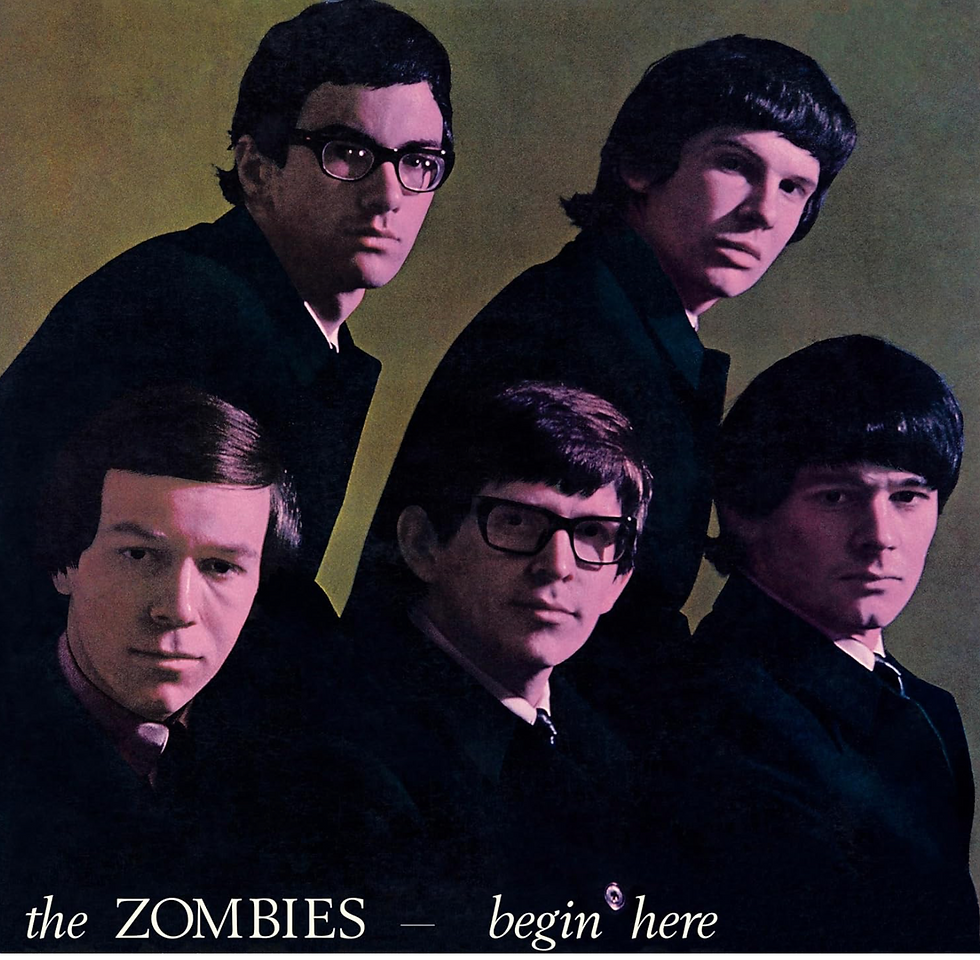
'Begin Here' features fan favourites 'She's Not There', Summertime', and 'The Way I Feel Inside', plus three US bonus tracks including 'Tell Her No'. This definitive new edition combines all 17 tracks from the UK and US versions of The Zombies' 1965 debut album, remastered in its original mono mix. 'Begin Here (Mono Remastered)' is the next chapter in the series of Zombies reissues via the band's own label Beechwood Park Records, with the same team as Odessey and Oracle - again being overseen by Matthew and Jamie White, mastering by Reuben Cohen at Lurssen Mastering, and brand-new liner notes by the legendary David Fricke.
And finally if you missed the interview with Colin on the show then you can watch here on the website, youtube via the link below and on facebook.


Comments